Planning a safe & meaningful student experiential tour? 7 essential things schools & parents must prepare. Field trip ideas at Eduland Ba Vi near Hanoi inside!
Student experiential tours are no longer just an end-of-year add-on — they are becoming an essential part of meaningful outdoor education programmes in Vietnamese schools. When organised well, a single experiential trip can give students what an entire term in the classroom cannot always provide: team spirit, self-reliance, a love of nature and genuine self-confidence.
However, for a student experiential tour to be truly safe and valuable, preparation is everything. Many unwanted incidents on school trips do not happen because the venue is poor or the programme is weak — they happen because schools, teachers and parents have not prepared thoroughly enough.
This article brings together the 7 most important things to prepare to ensure a student field trip goes smoothly from start to finish — along with a specific destination recommendation that many Hanoi schools currently trust.
1. How Is a Student Experiential Tour Different From a Standard School Excursion?
Before diving into the 7 preparation steps, it helps to understand what a student experiential tour actually is — so preparation targets the right things.
A standard school excursion tends towards passive observation: students look, listen to an explanation and go home. Educational value exists but is limited.
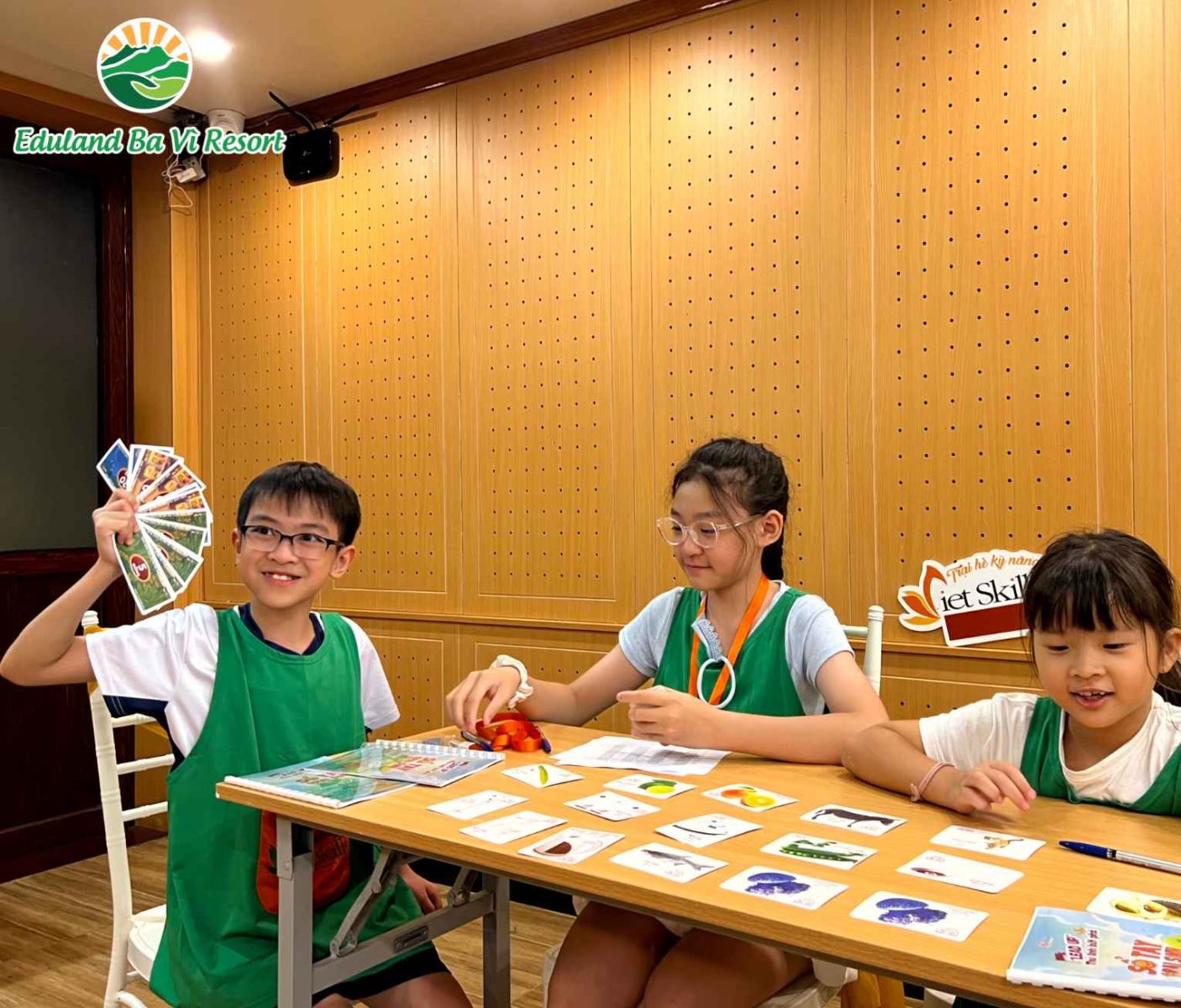
A student experiential tour works in reverse: students do — fail — try again — reflect. The programme is designed so that students must move, think, collaborate and make decisions in real situations.
This is exactly why outdoor education built on the experiential model is increasingly recommended by Vietnamese education specialists: not as a replacement for classroom learning, but as a dimension the classroom simply cannot provide.
2. Seven Things to Prepare for a Student Experiential Tour
🔑 Thing 1: Define Clear Educational Goals Before Choosing a Venue
This is the first step — and the one most often skipped. The school needs to answer one question clearly: what will students learn from this trip?
Educational goals drive every subsequent decision:
|
Goal
|
Appropriate Activities
|
|
Building teamwork skills
|
Team building, group challenges
|
|
Developing life skills
|
Cooking, tent pitching, independent daily routines
|
|
Strengthening class bonds
|
Bonfire night, traditional folk games
|
|
Exploring nature
|
Guided nature walks, sightseeing
|
|
Cultural experience
|
Traditional handicraft workshops
|
With clear goals in place, teachers can ask the organising venue to design a purposeful programme rather than accepting a pre-set itinerary that may not fit.
🔑 Thing 2: Choose a Venue That Meets Safety Standards
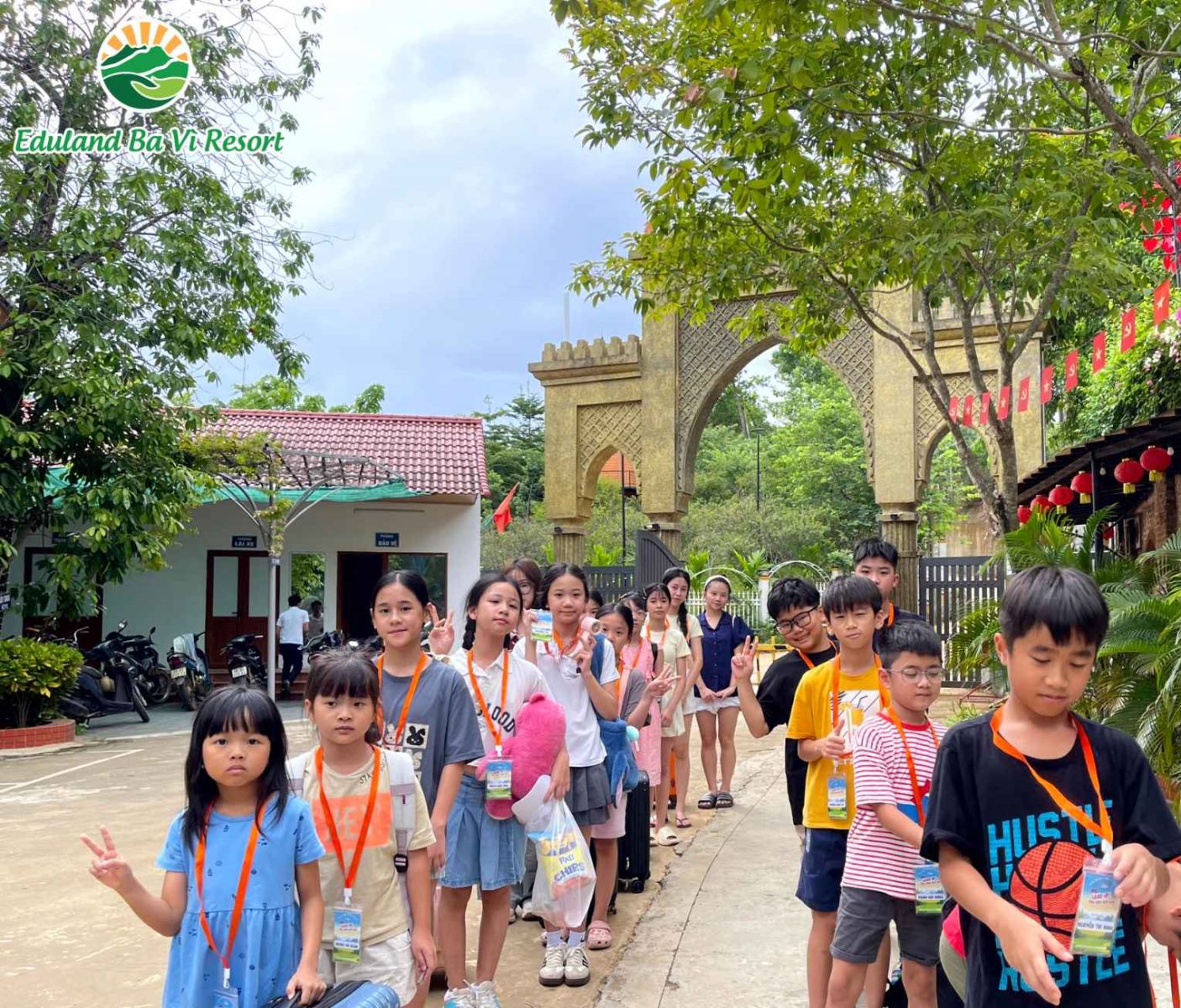
A student experiential tour — particularly one involving an overnight stay — requires a venue that simultaneously meets several criteria:
Location:
-
No more than 2 hours from school by coach
-
A safe, accessible route without hazardous road sections
-
Within reach of a medical facility in case of emergency
Grounds:
-
Clearly defined boundaries — students cannot wander outside
-
No unfenced ponds, drops or hazards
-
Adequate lighting throughout the grounds at night
Facilities:
-
Clean sleeping quarters with enough capacity for the whole group
-
Sufficient, clean, functional toilet and washing facilities
-
A swimming pool (if available) with a qualified lifeguard on duty
🔗 Recommended: Eduland Ba Vi — Safe and Trusted Student Experiential Tour Venue
🔑 Thing 3: Build a Detailed Hour-by-Hour Programme
A clear schedule is not just an organisational tool — it is the most effective safety management mechanism available. When students know exactly where they need to be and what they are doing at every point in the day, the likelihood of incidents drops significantly.
Standard programme for a 2-day, 1-night student experiential tour:
|
Time
|
Activity
|
Safety Note
|
|
Day 1 – 8:00 AM
|
Depart, roll call
|
Check headcount before the coach moves
|
|
10:00 AM
|
Arrive, opening ceremony
|
Brief students on venue rules
|
|
10:30 AM
|
Morning team building
|
Divide into groups, assign supervising teachers
|
|
12:00 PM
|
Lunch
|
Check for food allergies
|
|
1:30 PM
|
Rest time
|
Students must not leave rooms unaccompanied
|
|
2:30 PM
|
Experiential activities
|
Check all safety equipment beforehand
|
|
5:30 PM
|
Shower and change
|
Supervise bathroom rotation
|
|
7:00 PM
|
BBQ dinner
|
|
|
8:30 PM
|
Bonfire and group activities
|
Maintain safe distance from fire
|
|
10:00 PM
|
Lights out
|
Confirm headcount before turning off lights
|
|
Day 2 – 6:30 AM
|
Morning exercise
|
|
|
7:00 AM
|
Breakfast
|
|
|
8:00 AM
|
Morning activity session
|
|
|
10:30 AM
|
Closing ceremony and prize giving
|
|
|
12:00 PM
|
Lunch, pack up
|
|
|
1:30 PM
|
Board coaches, roll call
|
Check headcount and luggage
|
🔑 Thing 4: Assign Teachers With Clear, Specific Responsibilities — Not "Everyone Is Responsible"
This is the most common organisational failure that leads to incidents on school trips. When responsibility is not clearly allocated, every teacher assumes someone else is watching — and in practice, no one is.
Standard supervision structure for a student experiential tour:
-
1 lead teacher: Coordinates the full programme, liaises with the venue and with parents
-
1 teacher per 10–15 students: Directly responsible for their assigned group at all times
-
1 first aid teacher or designated first responder: Carries the medical bag and student health information list
-
Overnight watch rota: At least 2 teachers awake until midnight; 2 teachers on watch from midnight until morning
🔑 Thing 5: Prepare a Medical Record and Emergency Contact List for Every Student
Before any student experiential tour, the school should collect a basic medical information form from parents for each student, covering:
-
Food or medication allergies (if any)
-
Chronic conditions requiring attention (asthma, heart conditions, diabetes...)
-
Any medication currently taken, with dosage
-
Emergency contact numbers for parents (minimum 2 numbers)
-
Family doctor contact (where available)
The first aid teacher or lead teacher must keep this list accessible and know how to respond to each specific scenario. This is not administrative paperwork — it is a safeguard for students' lives.
🔑 Thing 6: Hold a Parent Meeting and Brief Students on the Rules Before Departure
Many unwanted situations on school trips originate from students not knowing — or not being reminded clearly enough about — basic rules. Schools should organise:
Parent meeting (at least 1 week before):
-
Share the full programme and venue details
-
Provide the packing list
-
Collect medical information forms and signed consent
-
Answer any safety questions from parents
Student briefing (the day before departure):
-
Rules: no leaving the grounds alone, no swimming without supervision
-
What to do if injured, unwell or if they see a problem with a friend
-
Group assignments and introduction to each group's supervising teacher
-
Mobile phone policy for the duration of the trip
🔑 Thing 7: Pack the Right Things — and Enough of Them
A student who is missing equipment or has brought the wrong items will struggle with activities and compromise their own experience. Schools should send a specific packing list to parents at least 3 days before the trip.
Standard packing list for a 2-day, 1-night experiential tour:
Clothing and personal items:
-
Comfortable sportswear (2 sets)
-
Swimwear and towel (if there is a swimming pool)
-
Sports shoes with grip soles (essential — no flip-flops or sandals)
-
A light rain jacket or thin layer for cooler evenings
-
Basic personal toiletries
Health and protection:
-
Sunscreen SPF 30 or higher
-
Mosquito repellent (spray or wristband)
-
Any personal medication currently in use (to be held by the supervising teacher)
-
Personal plasters and basic stomach medication
Equipment:
-
Personal water bottle, 500ml–1 litre capacity
-
Small torch or head lamp (for evening activities)
-
A separate bag for dirty clothes
Notes for parents:
-
Do not bring expensive electronics (tablets, cameras)
-
Do not bring large amounts of cash
-
Label all personal items with the student's name
3. Eduland Ba Vi — A Trusted Partner for Student Experiential Tours Near Hanoi
Once all 7 preparation steps are in place, the next decision is choosing the right venue. Eduland Ba Vi is currently the choice of many Hanoi schools for student experiential tours and end-of-year field trips — meeting every requirement comprehensively:
Location: 60km from Hanoi, approximately 1.5 hours via Thang Long Boulevard
Setting: Spacious grounds in unspoilt natural surroundings at the foot of Tan Vien Mountain, beside the Da River
Accommodation: Community stilt houses sleeping 40–50, with air conditioning, en-suite facilities and clean bedding
Event hall: Seating up to 200 guests, with full audio-visual equipment
Activity programme — rich and age-appropriate:
-
Lawn team building on wide open grounds
-
Traditional Vietnamese folk games
-
Archery, grass sliding and zipline
-
Clay pot rice cooking and fish grilling — real-world life skills
-
Outdoor filtered swimming pool
-
Evening bonfire and BBQ
-
Windmill viewpoint sightseeing and Da River scenery
Team: Professional facilitators with extensive experience working with large student groups
🔗 Full details: Student Creative Experiential Tour — Eduland Ba Vi
4. Master Checklist — For the Lead Teacher Organising a Student Experiential Tour
A quick reference checklist for the lead teacher to run through before departure day:
✅ 4 weeks before:
-
[ ] Define the educational goals of the trip
-
[ ] Contact and book the venue
-
[ ] Send the initial notification to parents
✅ 2 weeks before:
-
[ ] Hold the parent meeting; collect medical information forms
-
[ ] Confirm the activity programme with the venue
-
[ ] Assign teachers to groups and supervision roles
✅ 1 week before:
-
[ ] Send the packing list to parents
-
[ ] Hold the student rules briefing
-
[ ] Confirm coach numbers and departure time
✅ The day before:
-
[ ] Finalise the student attendance list
-
[ ] Pack the medical bag and emergency contact list
-
[ ] Share the lead teacher's hotline number with all parents
✅ Morning of departure:
-
[ ] Roll call before boarding the coach
-
[ ] Check medical supplies and documents
-
[ ] Confirm arrival time with venue management
🔗 See also: Accommodation at Eduland Ba Vi
Conclusion
A truly successful student experiential tour does not happen by accident — it is the result of thorough preparation across every front: a school with clear goals, teachers with defined responsibilities, parents who have been fully informed and students who understand the rules.
When all 7 things above are in place, the field trip is not just safe — it becomes one of the most memorable learning experiences of a student's life, the kind of memory that no classroom lesson can create.
Let Eduland Ba Vi be the partner that helps make it happen.
Frequently Asked Questions (FAQ)
How is a student experiential tour different from a standard school excursion? A student experiential tour is designed around specific educational goals, with activities that require students to act, think and collaborate — rather than observe passively. Programmes are typically led by professional facilitators and are closely linked to targeted skill development for the students' age group.
What age group is Eduland Ba Vi's experiential tour programme suitable for? Eduland Ba Vi serves students from kindergarten age (5–6 years old) through to lower secondary school (up to 15 years old). Each age group has its own programme adjusted for appropriate difficulty and duration. Schools should specify the students' age range when booking so Eduland can design the right programme.
What is the single most important thing teachers must prepare for a student experiential tour? Three things are equally critical: (1) a medical information and emergency contact list for every student; (2) a clear allocation of supervising teachers to specific groups and night watch shifts; (3) a thorough safety briefing for students before the trip.
Does Eduland Ba Vi help design a customised experiential programme for schools? Yes. The Eduland team works with schools to design a programme aligned with educational objectives, student age and the length of the trip — at no extra charge when a contract is signed. Contact 0399.131.135 for a detailed consultation.
🔗 Book your visit: Contact Eduland Ba Vi
What documents do parents need to sign before their child joins an experiential tour? Parents need to sign: (1) a consent form for the student to participate; (2) a student medical information form (allergies, existing conditions, current medication); (3) an acknowledgement that they have read and understood the trip rules. Schools should retain these documents throughout the trip.
📍 Eduland Ba Vi Resort
📞 Hotline: 0399.131.135
🌐 Website: https://edulandbavi.vn
✉️ Email: edulandbavi@gmail.com
🚩 Address: Lien Bu Village, Ba Vi Commune, Hanoi